Introduction
Many people wonder, why do teeth crack? Cracked teeth are a common dental problem. A cracked tooth means there is a small break or split in the tooth. Sometimes, the crack is easy to see. Other times, it is hidden. Healthy teeth are important for eating, speaking, and smiling. But even strong teeth can crack. Knowing the causes and signs can help you protect your smile.
Common Causes of Cracked Teeth
There are many reasons why teeth crack. Some cracks happen suddenly, while others form over time. Understanding the causes can help you avoid them. Here are some common reasons:
According to the American Dental Association, avoiding these risks can help keep your teeth strong.
Symptoms of Cracked Teeth
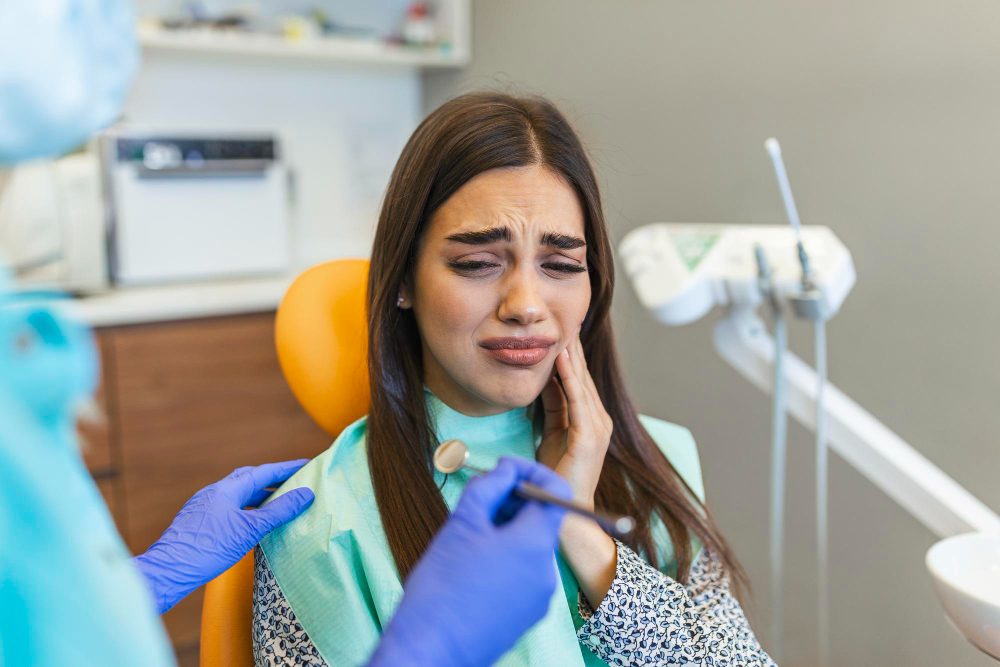
Sometimes, cracks are hard to see. However, there are signs you can watch for. Early treatment can prevent bigger problems. Look out for these symptoms:
But not all cracked teeth cause pain. Even so, it is important to see a dentist if you notice any of these signs of cracked teeth.
How Dentists Diagnose Cracked Teeth
Diagnosing a cracked tooth can be tricky. Sometimes, cracks are too small to see with the eye. Dentists use several methods to find them. For example, they may:
With these steps, your dentist can find the crack and suggest the best treatment.
Treatment Options for Cracked Teeth
Treatment depends on the size and location of the crack. Early care can save your tooth. Here are some common treatments:
Your dentist will choose the best option for you. Quick treatment can prevent infection and pain.
Prevention Tips to Avoid Cracked Teeth
Preventing tooth cracks is easier than fixing them. You can protect your teeth with these simple dental care tips:
By following these steps, you can lower your risk of cracked teeth.
When to See a Dentist
If you notice pain, sensitivity, or other signs of cracked teeth, do not wait. Early care can stop the problem from getting worse. Even if the pain goes away, the crack may still be there. Find a dentist near you for a check-up. Quick action can save your tooth and prevent infection.
Conclusion & Call-to-Action
Cracked teeth can cause pain and other dental problems. But with the right care, you can protect your smile. Remember, knowing why teeth crack helps you avoid risks. If you notice any signs of a cracked tooth, consult a dentist at Arun Dental Clinic for personalized care. Your dentist can help you keep your teeth healthy and strong.