Introduction to Metal Braces
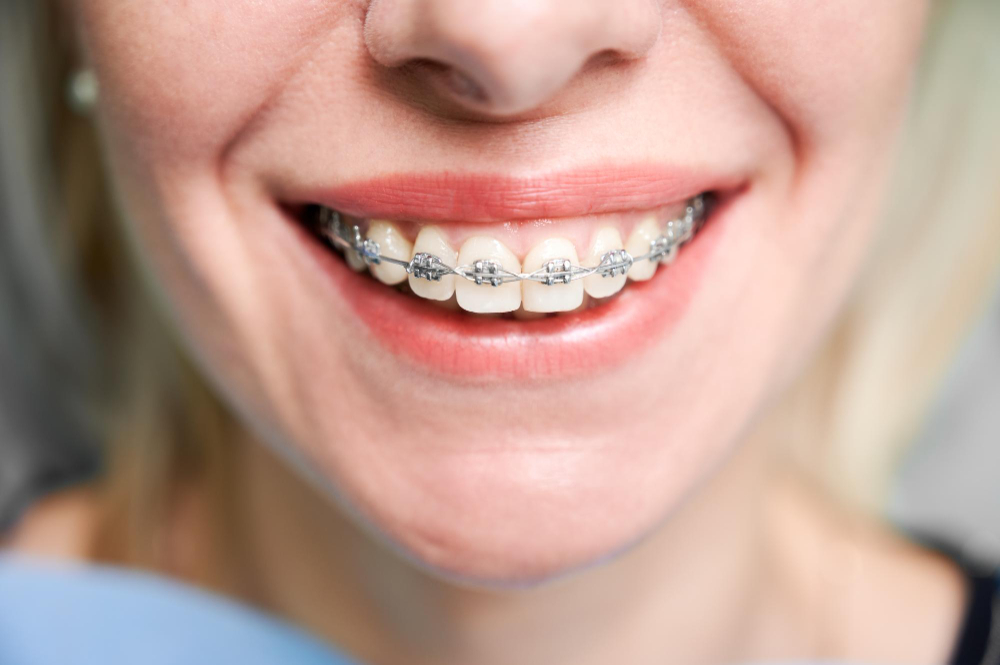
Metal braces are a common way to straighten teeth. They use small metal brackets and wires to move teeth into the right place. Many people choose metal braces for teeth because they are strong and work well. If you want a healthy, straight smile, metal braces may be a good choice. Dentists and orthodontists often recommend them for both children and adults.
Benefits of Metal Braces
Metal braces offer several advantages. First, they are very effective for fixing many dental problems. Also, they are usually less expensive than other types of braces. Here are some key benefits:
Who Needs Metal Braces?
Not everyone needs metal braces. However, they are helpful for people with certain dental issues. For example, you may need metal braces if you have:
Usually, your dentist or orthodontist will check your teeth and suggest the best treatment. Children, teens, and adults can all benefit from metal braces.
The Process of Getting Metal Braces
Getting metal braces involves several steps. Each step is important for a good result. Here is what you can expect:
Throughout the process, your dentist will guide you and answer any questions.
Care and Maintenance Tips for Metal Braces
Proper care is important for healthy teeth and gums during treatment. With good habits, you can avoid problems. Here are some metal braces care tips:
Following these tips helps prevent cavities and gum disease.
Common Challenges and How to Manage Them
Wearing metal braces can bring some challenges. However, most problems are easy to manage. For example:
Always talk to your dentist if you have concerns.
Expected Results and Timeline
Metal braces can give you a straight, healthy smile. However, the time needed varies for each person. Most people wear metal braces for 18 to 24 months. Some may need less or more time, depending on their dental needs. After braces are removed, you may need to wear a retainer. This helps keep your teeth in their new position. With good care, the results can last a lifetime.
Prevention of Complications
Good oral hygiene is key to preventing problems with metal braces. For example, brushing and flossing every day helps avoid cavities. Also, avoid foods that can damage your braces. If you play sports, wear a mouthguard to protect your teeth. Regular dental visits help catch any issues early. By following your dentist’s advice, you can prevent most complications.
Frequently Asked Questions About Metal Braces
Conclusion
Metal braces are a proven way to straighten teeth and improve your smile. They are strong, effective, and suitable for many people. If you think you may need metal braces, consult a qualified dentist or orthodontist at Arun Dental Clinic to find out if metal braces are right for you.